
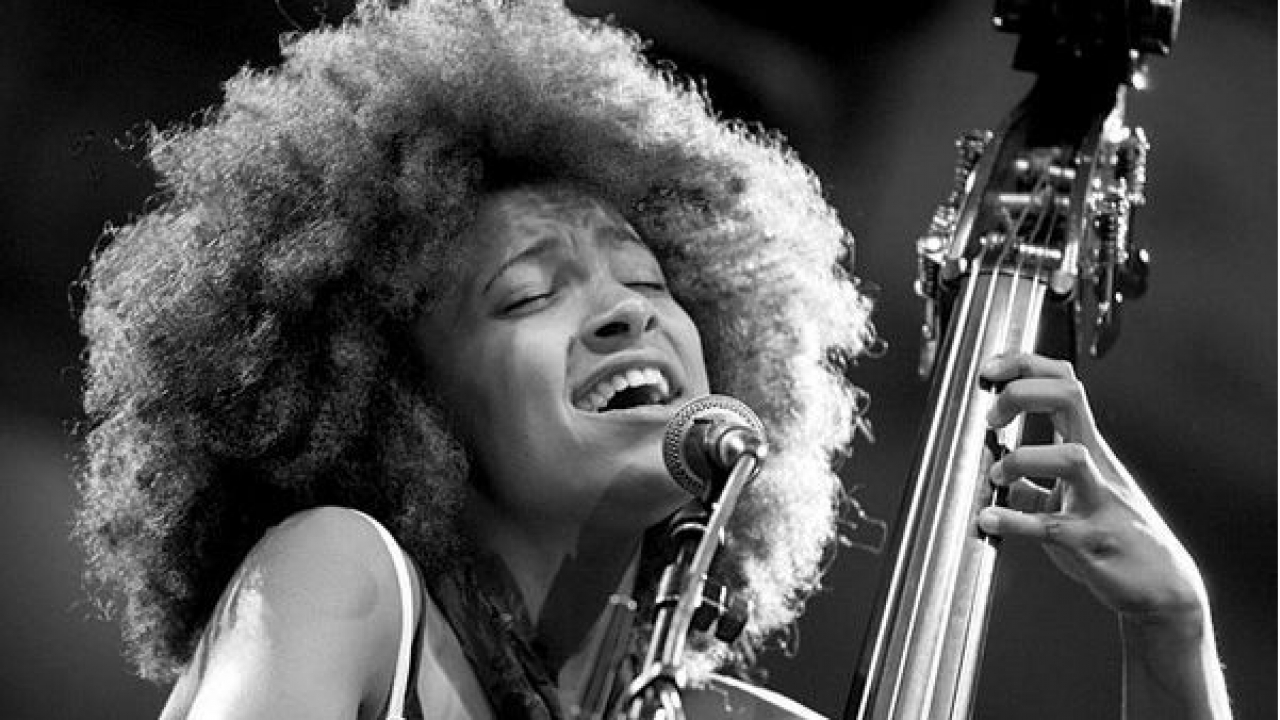
Introduction to Singing
Vocal Warm-Ups and Exercises
Breath Control and Support
Introduction to Singing
Singing is more than just producing sound—it’s about expression, confidence, and technique. In this first step, you will discover the basics of how your voice works and how to begin your singing journey with the right mindset and foundation.
What is Singing? Singing is the act of producing musical tones using the human voice. It involves a coordinated process where breath is taken in, sound is initiated in the larynx (voice box), the sound resonates in various cavities, and is then articulated into recognizable words and melodies. Unlike speaking, singing requires more controlled breath and precise coordination of vocal mechanisms.
-
Understanding Your VoiceYour voice is your natural instrument. Learn how sound is produced through your vocal cords, breath, and resonance.
-
Listening and ImitationStart by listening carefully to singers you admire. Try to imitate simple melodies—it trains your ear and builds awareness.
-
Building ConfidenceDon’t be afraid of your own sound. Practice singing in a private space daily until you feel more comfortable.
-
Setting Small GoalsBegin with easy songs or exercises. Celebrate every small progress—this keeps you motivated.
Introduction: Why Posture Matters
Explain posture as the silent partner in vocal productionConnect physical alignment with energetic presence and vocal freedom
Stand tall with relaxed shoulders and feet slightly apart.
Good posture supports proper breathing and clear sound.
Posture

The Foundation of the Voice — Posture in Singing
The Anatomy of Alignment
Describe optimal head, neck, shoulder, and spine positioningUse vivid metaphors (e.g., “The body as a resonant column”)
Briefly touch on how poor posture constricts breath and resonance
Posture and Breath: Inseparable Allies
Show how posture directly influences diaphragmatic breathingExplore the idea of “breathing space” and expansion
Introduce small posture drills that promote open breath support
Embodying the Sound: Posture as Expression
Link posture to emotional delivery and stage presenceHow aligned posture enhances projection and tone clarity
Philosophical reflection: the body as a vessel of interconnection
Practical Exercises
Step-by-step alignment check-inMirror work: observing vs. feeling
Suggestions for incorporating posture awareness into daily vocal practice
Integration: More Than Just Standing Tall
Discuss posture as a dynamic, living awarenessReflection on interdependence: how voice, breath, body, and intention coalesce.
Breath
Breath is the fuel for singing. Controlled breathing enables sustained notes, dynamic control, and vocal stability. Techniques such as diaphragmatic breathing, breath hisses, and straw phonation exercises can enhance breath support and control.In this first level we ensure that the singer develops well in the whole issue of using the breath and voice. We will help you know how to sit when you sing, each song has its own way of using the breath when you sing it.
Vocal Warm-Ups and Exercises
Before singing, warming up your voice is essential. These simple yet powerful exercises will prepare your vocal cords, improve breath control, and protect your voice from strain.
-
Deep BreathingInhale slowly through your nose, letting your belly expand. Exhale gently through your mouth. Repeat for 5 breaths to relax and prepare your diaphragm.
-
Lip Trills (Buzzing)Relax your lips and blow air so they vibrate (like a motorboat sound). Add a gentle scale while buzzing to warm up your vocal cords.
-
HummingStart with a gentle “mmm” sound on a comfortable pitch. Glide up and down slowly to warm the voice without tension.
-
SirensGlide your voice from the lowest comfortable note to the highest and back down, like the sound of a siren. This stretches your full vocal range.
-
Scale PracticeSing simple “Do-Re-Mi” scales on vowel sounds (A, E, I, O, U). Focus on clarity and smooth transitions.
Breath Control and Support
Breath control is the foundation of singing. Learning to manage your air efficiently helps you hold notes, sing with power, and maintain vocal health. These exercises will strengthen your diaphragm and improve your overall voice support.
-
Diaphragmatic BreathingLie on your back and place a hand on your stomach. Inhale deeply so your stomach rises, then exhale slowly while keeping your chest relaxed. This trains you to use your diaphragm.
-
Hissing ExerciseTake a deep breath and release the air with a steady “ssss” sound. Start with 10 seconds and gradually increase to 20–30 seconds to build breath stamina.
-
Silent BreathingPractice breathing in quickly and silently through your nose, then controlling your exhale. This prepares you for fast, quiet breaths during performances.
-
Sustained NotesPick a comfortable pitch and hold it as long as possible without tension. Focus on keeping the tone steady and supported by your breath.
-
Phrasing PracticeChoose a short song phrase and sing it in one breath. Gradually increase the length of phrases you can manage with proper breath control.